Serengeti Safari: Can I Bring Plastic Bags? (Rules)
Packing lists for East Africa used to be simple: sunscreen, a hat, and a stack of plastic bags for dirty laundry and dusty boots. Not anymore. If you’re planning a Serengeti safari, can I bring plastic bags is one of the most common questions travelers type into a search bar before they fly, and the answer catches a lot of first-timers off guard. Tanzania’s rules are strict, they apply the moment you land, and they follow you all the way into the park.
Serengeti Safari: Can I Bring Plastic Bags?
No. Tanzania has banned all plastic carrier bags nationwide, and the rule applies fully inside Serengeti National Park. Do not pack plastic shopping, duty free, or garbage bags in checked or carry on luggage. Bring a reusable tote or dry bag instead; customs officers check for and confiscate plastic bags on arrival.
This isn’t a vague guideline enforced only occasionally. Tanzania’s plastic bag ban is one of the strictest in the region, and airport staff at Kilimanjaro and Arusha are used to spotting plastic bags tucked into suitcases. Even a single plastic bag used to wrap shoes can get pulled out at the counter. Once you’ve settled the serengeti safari can I bring plastic bags question, the rest of the packing list is easy. Most repeat safari travelers now carry a folding cloth tote as a matter of habit.
Why Did Tanzania Ban Plastic Bags?
Tanzania enacted its nationwide plastic bag ban to protect wildlife and ecosystems, including the Serengeti’s grazing corridors. Discarded bags were choking storm drains and entangling livestock. They were also turning up in the stomachs of grazing animals near park boundaries. These problems pushed the government toward a near total nationwide prohibition rather than a partial restriction.
The Tanzania plastic bag ban followed years of visible litter along roadsides and rivers feeding into national parks. Wildlife officers reported wildebeest and zebra picking through discarded bags during the dry season, when grazing land is already thin. Since the ban took hold, guides across the northern circuit say roadside verges and picnic stops look noticeably cleaner, especially compared with countries that still allow thin plastic bags at supermarket checkouts.
What Counts as a Banned Plastic Bag in Tanzania?
The ban covers all plastic carrier bags regardless of thickness, including supermarket, duty free, and shopping bags, plus plastic garbage sacks and thin produce bags. It doesn’t matter if the bag looks reusable or biodegradable style; if it’s a plastic carrier bag, customs treats it as banned and removes it from your luggage on arrival.
These serengeti national park rules extend to anything shaped like a shopping bag, including the thin freebie bags some airlines still hand out for headphones or blankets. If in doubt, leave it at home or in your checked bag back at the airport of origin. It’s a small habit to build, but it saves an awkward moment at immigration.
What Plastic Items Are Still Allowed on Safari?
Small ziplock style bags for toiletries, medication, camera gear, or electronics are allowed, along with sealed factory packaging, plastic bottles, and rain covers. The exception is narrow: these must stay in your personal possession as travel gear, not used as disposable carrier bags, and ideally leave the country with you rather than being discarded locally.
Ziplock bags in Tanzania are treated differently from carrier bags because they travel with you rather than getting thrown away at a market or campsite. Pack a few for wet swimsuits, muddy boots, or a phone during a dusty game drive, and you’ll have no trouble at customs. Ziplock bags for toiletries under 100ml, the same size security expects at most international airports, are fine to bring.
Quick Reference: What You Can and Cannot Pack
| Item | Tanzania | Kenya |
|---|---|---|
| Plastic shopping or carrier bags | Banned nationwide | Banned nationwide |
| Plastic garbage bags | Banned | Banned |
| Ziplock bags for toiletries or electronics | Allowed | Allowed |
| Sealed factory packaging | Allowed | Allowed |
| Single-use plastics inside parks and reserves | Restricted in some conservation areas | Restricted in national parks and protected areas |
| Where the rule is enforced | Airports, land borders, shops | Airports, land borders, protected areas |
What Happens at the Airport or Border If You’re Carrying Plastic Bags?
At Kilimanjaro, Arusha, or Zanzibar airports, customs officers inspect luggage for plastic carrier bags, confiscate any they find, and dispose of them on the spot. First-time visitors who cooperate are rarely fined; repeated or commercial-scale violations can carry penalties under Tanzania’s plastic bags law. Expect a short delay, not a crisis.
Most travelers describe the process as quick, a few minutes at most while an officer removes the offending bag from a suitcase. Keep your patience, hand over the bag if asked, and you’ll be back in the arrivals hall in no time. The same applies at land borders if you’re driving in from Kenya or Uganda rather than flying directly to the northern circuit.
Does the Ban Apply Inside Serengeti National Park and at Lodges?
Yes. The ban applies inside Serengeti National Park exactly as it does at the airport. Lodges and camps have already switched to cloth laundry bags, paper wrapped amenities, and refillable water dispensers, so you won’t find plastic bags supplied on site. Pack your own reusable tote for laundry, dirty shoes, or dusty camera gear before you arrive.
This sits alongside other safari etiquette rules that guides expect visitors to follow once they’re inside the park, from keeping a respectful distance from wildlife to not littering at picnic stops. None of it is complicated, but arriving prepared makes the experience smoother for you and for the camp staff who would otherwise have to find you a substitute bag.
What About Crossing Between Kenya and Tanzania on a Combined Safari?
Kenya has its own separate plastic bag ban. It was in force before Tanzania’s law and was later extended to cover more packaging. Travelers combining Masai Mara and Serengeti legs face the same restriction at the Isebania border crossing. There is no plastic friendly side. Pack reusable bags for the whole trip.
The kenya plastic bag ban is easy to forget about if you flew into Nairobi without hearing about it, since Kenya rarely advertises the rule to arriving tourists the way Tanzania does at its airports. Before you cross at Isebania, it also helps to check the wider Tanzania entry requirements around visas and health documents, since the plastic rule is just one piece of a longer checklist for a combined itinerary spanning the Masai Mara and the Serengeti.
What Should You Pack Instead of Plastic Bags?
Pack a foldable cloth tote or canvas dry bag for laundry and dusty items. Add packing cubes to organize your bag without plastic liners. Bring a refillable water bottle and a small mesh or fabric pouch for shoes. Ziplock bags for toiletries under 100ml are fine to bring. Just keep them in your personal kit rather than discarding them.
If you’re building a fuller what to pack for a safari checklist, add insect repellent, a headlamp, and layers for cold mornings on game drives, all things that pack easily around a reusable tote instead of a stack of plastic bags. Our safari packing list covers the rest of the essentials in more detail.
Why Does the Ban Matter for Wildlife in the Serengeti?
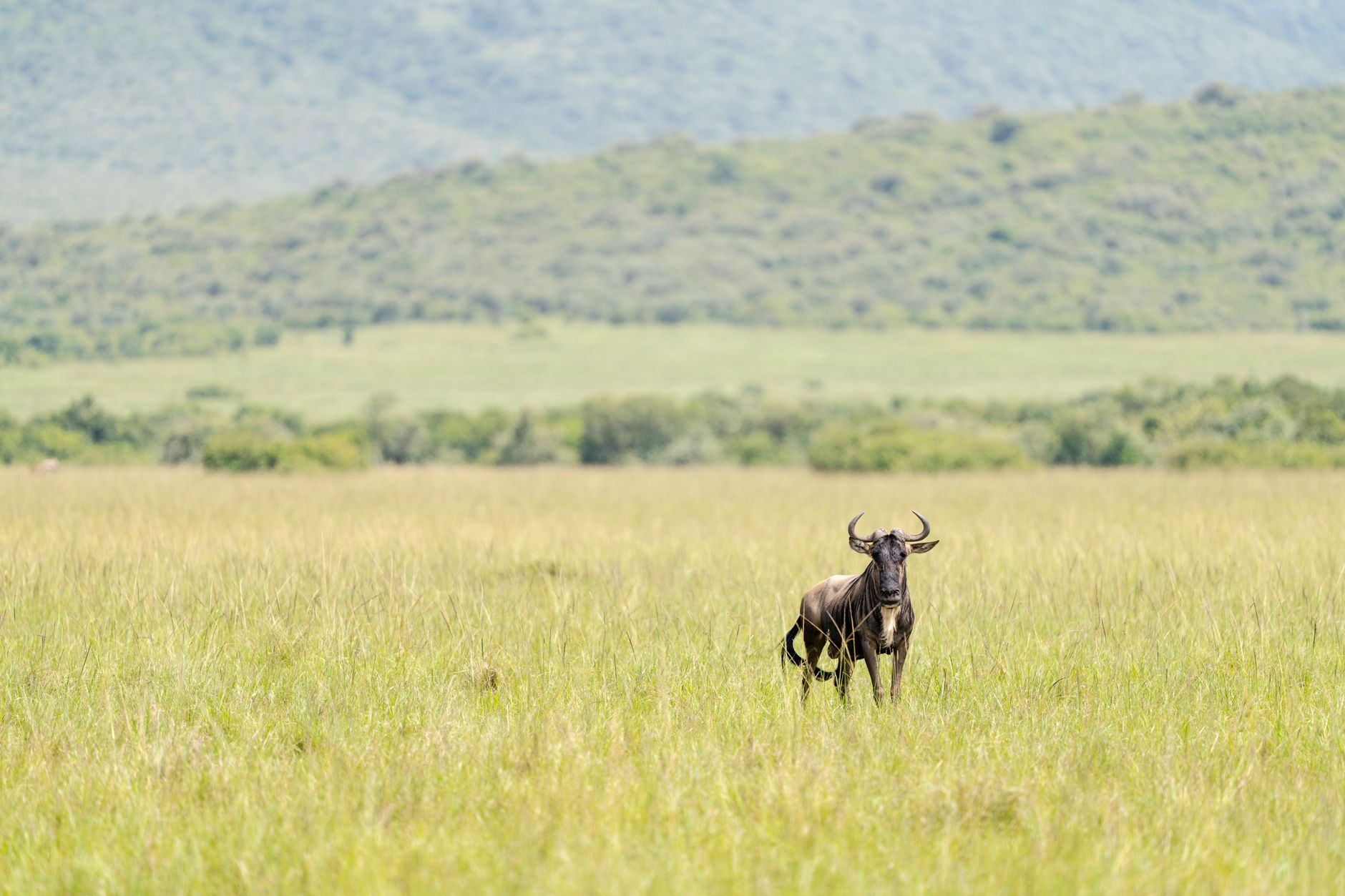
Fewer discarded plastic bags mean cleaner grazing corridors and river crossings for wildebeest, zebra, and grazing antelope during the Great Migration. That means less risk of ingestion or entanglement for animals near park boundaries and roadside stops. Many guides and camps also point to visibly cleaner viewing areas as a direct result of the ban.
The Serengeti and the Masai Mara form one connected ecosystem, so cleanup on one side of the border helps wildlife on both. Masai Mara conservation fees fund similar protection work on the Kenyan side, from anti-poaching patrols to habitat restoration, even though the plastic bag rules themselves were passed separately by each country.
Frequently Asked Questions
Can I Bring Plastic Bags to Tanzania?
No. Tanzania has banned the import, sale, and use of plastic carrier bags nationwide, and this applies to every visitor, including safari tourists heading to the Serengeti. Pack a reusable cloth or canvas tote instead of plastic shopping or garbage bags.
What Happens if You Bring Plastic Bags to Tanzania?
Customs officers at airports and border crossings will inspect your luggage, confiscate any plastic carrier bags they find, and dispose of them on the spot. First-time visitors who cooperate typically aren’t fined and continue on with only a short delay.
Are Ziplock Bags Allowed in Tanzania?
Yes, small ziplock style bags used to carry toiletries, medication, or electronics are allowed, since they’re treated as personal travel gear rather than disposable carrier bags. Keep them in your own possession throughout the trip rather than leaving them behind in the country.
Is There a Plastic Bag Ban in Kenya Too?
Yes. Kenya introduced its own plastic bag ban separately from Tanzania’s law, and later extended restrictions to plastic packaging as well. If your safari combines Masai Mara and Serengeti across the Isebania border, both sides restrict plastic bags equally.
What Can I Use Instead of Plastic Bags on Safari?
A foldable cloth tote, canvas dry bag, or packing cubes work well for laundry, dusty shoes, and organizing your luggage without plastic liners. Add a refillable water bottle and a small fabric pouch, and reserve ziplock bags only for toiletries and electronics you’re keeping with you.
Ready to Plan Your Serengeti Trip?
Packing right is only one part of planning a safari that runs smoothly. Once your kit list is sorted, compare safari operators such as FindMySafari, Valley Safaris, and Trunktrails Safaris to browse packages covering the Serengeti and the Masai Mara, matched to your dates, budget, and the season you want to travel in.
Where Can You Find More Safari Planning Resources?
- Maasai Mara interactive map from SafariPure
- Masai Mara Great Migration guide from Trunktrails Safaris
- Interactive Maasai Mara map from Valley Safaris
- Masai Mara destination guide on FindMySafari